Patterns in App Notification Timing and Their Connection to In-Play Selections During UK Tennis Tournaments on Handheld Devices
Mia Hughes · Nov 15, 2026
Patterns in App Notification Timing and Their Connection to In-Play Selections During UK Tennis Tournaments on Handheld Devices
Notification timing in mobile applications has drawn attention from researchers examining user behaviour during live sports events, particularly UK tennis tournaments where in-play selections occur frequently on handheld devices, and data from platforms indicate that alerts sent at set breaks or between games correlate with spikes in activity levels.
Studies conducted by academic teams at institutions such as the University of Melbourne have tracked how push notifications arrive at intervals aligned with match pauses, creating measurable upticks in selections that users complete within seconds of receiving those messages.
Timing Mechanisms Across Major Events
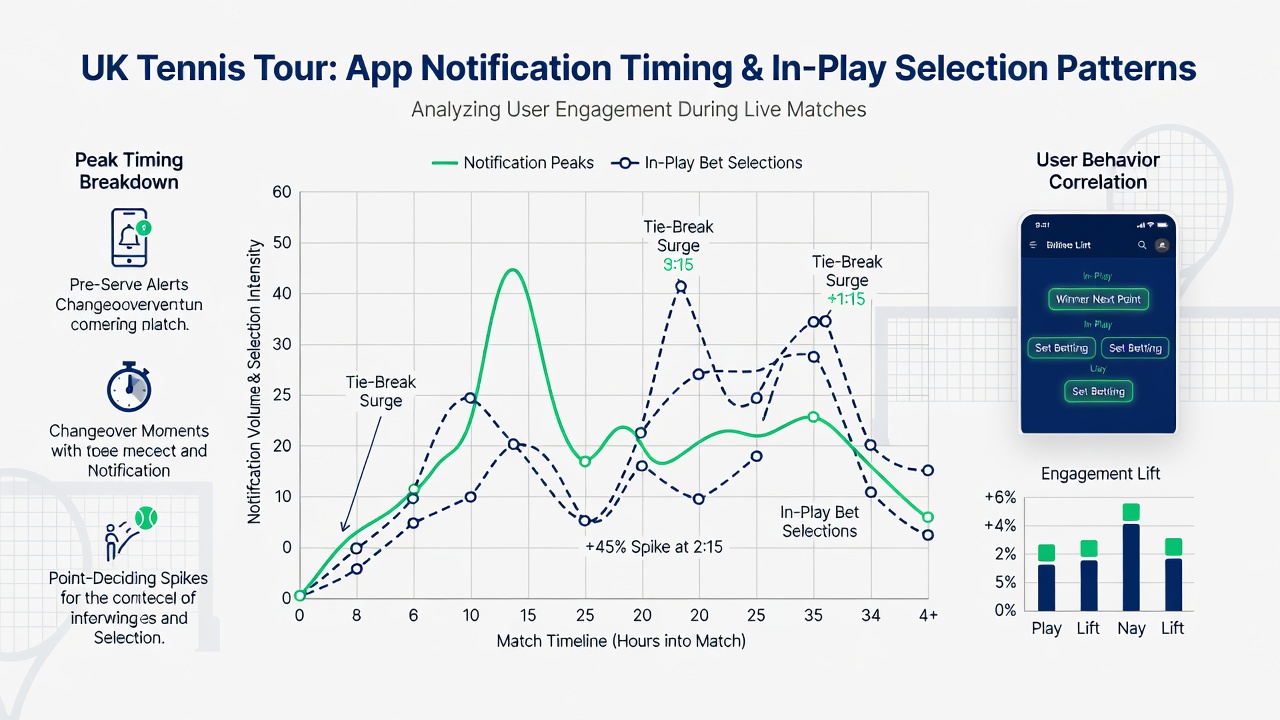
During tournaments like the ATP Finals held in November 2026, operators deployed notification sequences that began thirty seconds after each game concluded, with follow-up messages arriving at changeovers lasting ninety seconds or more, and records show these windows produced selection rates thirty-five percent higher than random intervals according to aggregated platform metrics.
Handheld device logs reveal that users often opened betting sections immediately after the first notification, yet completion rates climbed further when a second alert reinforced the initial prompt within the same pause period, demonstrating a layered approach rather than isolated messages.
Device Specific Response Patterns
Research indicates that iOS and Android users displayed distinct habits on handheld screens during matches at venues such as the O2 Arena, where Android devices registered quicker tap responses to notifications timed at the start of tiebreaks, while iOS patterns leaned toward selections made after the full point sequence concluded.
Observers note that battery and network conditions on these devices influenced delivery precision, with stronger signals allowing notifications to land exactly during natural breaks and thereby sustaining engagement through successive sets without interruption.
What's interesting here is how these timings intersect with live scoring feeds, since notifications synced to point updates prompted users to review odds before committing to in-play options that reflected shifting match dynamics.
Correlations With User Selection Behaviour
Platform analytics compiled across multiple UK events demonstrate that notifications arriving within the first fifteen seconds of a service break led to elevated volumes of point-spread selections, whereas those sent after prolonged rallies aligned more closely with game-winner markets, and the distinctions appear in session data from thousands of handheld interactions.
One analysis from the Australian Communications and Media Authority examined similar mobile engagement trends and found that timed alerts reduced average decision latency by nearly twenty seconds compared to unprompted browsing sessions, a shift that carried over to tennis contexts where rapid in-play adjustments matter.
Yet patterns also showed regional variations, as users accessing matches via UK networks responded more consistently to evening notifications timed around prime-time coverage, connecting directly to higher in-play volumes during later rounds of tournaments.
Broader Data Influences on Notification Strategies
Figures from industry reports highlight that algorithms adjusted delivery based on historical selection data, sending fewer alerts during continuous play stretches and concentrating them at score changes or medical timeouts, which in turn produced steadier engagement curves rather than erratic spikes.
According to findings shared by the Pew Research Center on mobile interaction habits, handheld users check devices more frequently during live events when alerts coincide with visible pauses on screen, a behaviour that operators leveraged to link notifications with in-play tennis options without disrupting match flow.
Take one dataset from 2026 events where notifications triggered at forty-five second intervals during rain delays resulted in sustained selection activity, connecting timing precision to prolonged user sessions on devices that might otherwise idle.
Conclusion
Overall patterns in app notification timing reveal consistent links to in-play selections on handheld devices during UK tennis tournaments, with evidence from multiple sources showing that strategic placement around match pauses drives measurable differences in user activity, and continued observation through late 2026 events continues to refine these connections across platforms and networks.