Inside the Mechanics of Loyalty Reward Systems and Their Effects on Sustained Engagement with Interactive Prediction Tools Across British Digital Platforms
Iris Simon · Sep 20, 2026
Inside the Mechanics of Loyalty Reward Systems and Their Effects on Sustained Engagement with Interactive Prediction Tools Across British Digital Platforms
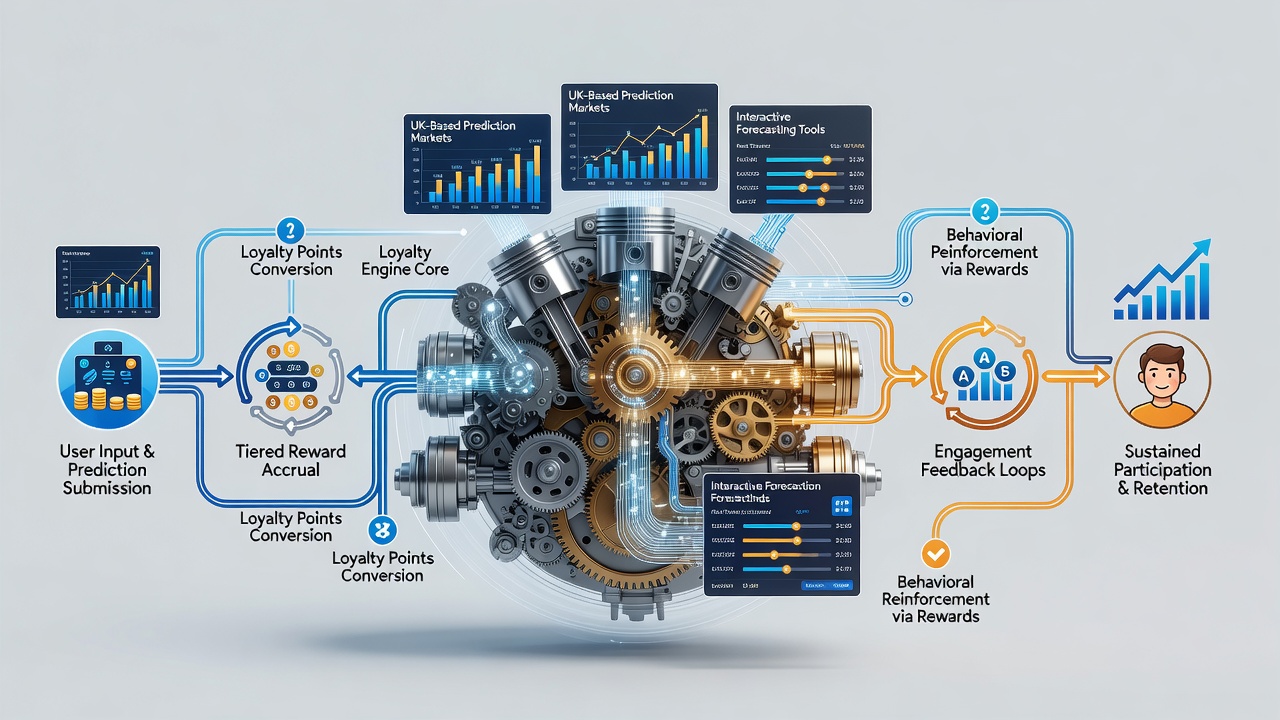
Loyalty reward systems on British digital platforms operate through structured point accumulation models that convert user activity into redeemable benefits, and these mechanics directly influence how participants maintain long-term interaction with interactive prediction tools. Platforms assign points based on prediction accuracy, frequency of participation, and total stake volume, while algorithms adjust reward tiers according to engagement patterns observed over multiple sessions. Data from industry tracking services shows that users who reach mid-level tiers demonstrate higher return rates compared to those who remain at entry status, because the progression structure creates incremental milestones that encourage repeated logins.
Core Components of Point Allocation and Tier Structures
Most British platforms employ a multi-tier framework where basic participation earns standard points, yet consistent correct predictions or higher-volume activity unlocks accelerated multipliers and exclusive tool features such as advanced statistical overlays or priority access to new prediction markets. Researchers at academic institutions have documented that these multipliers typically range from 1.2x to 3.0x depending on the tier, and the system resets or carries forward points at set intervals to sustain momentum. Observers note that when platforms introduce limited-time bonus challenges tied to specific events, participation rates rise measurably during those windows, as documented in aggregated user behaviour reports released in September 2026.
Redemption Options and Their Role in Retention
Redemption catalogues usually include cashback percentages, free prediction credits, merchandise, or entry into higher-stakes events, and these options are calibrated so that higher tiers receive proportionally greater value per point. Studies conducted across European digital entertainment sectors indicate that users who redeem rewards within the first 30 days of earning them show stronger retention curves over the subsequent six months, because the immediate feedback loop reinforces continued activity. Platforms also embed personalised recommendations that suggest redemption choices aligned with individual prediction histories, which further streamlines the process and reduces drop-off at the conversion stage.
Measured Effects on Sustained Engagement Metrics
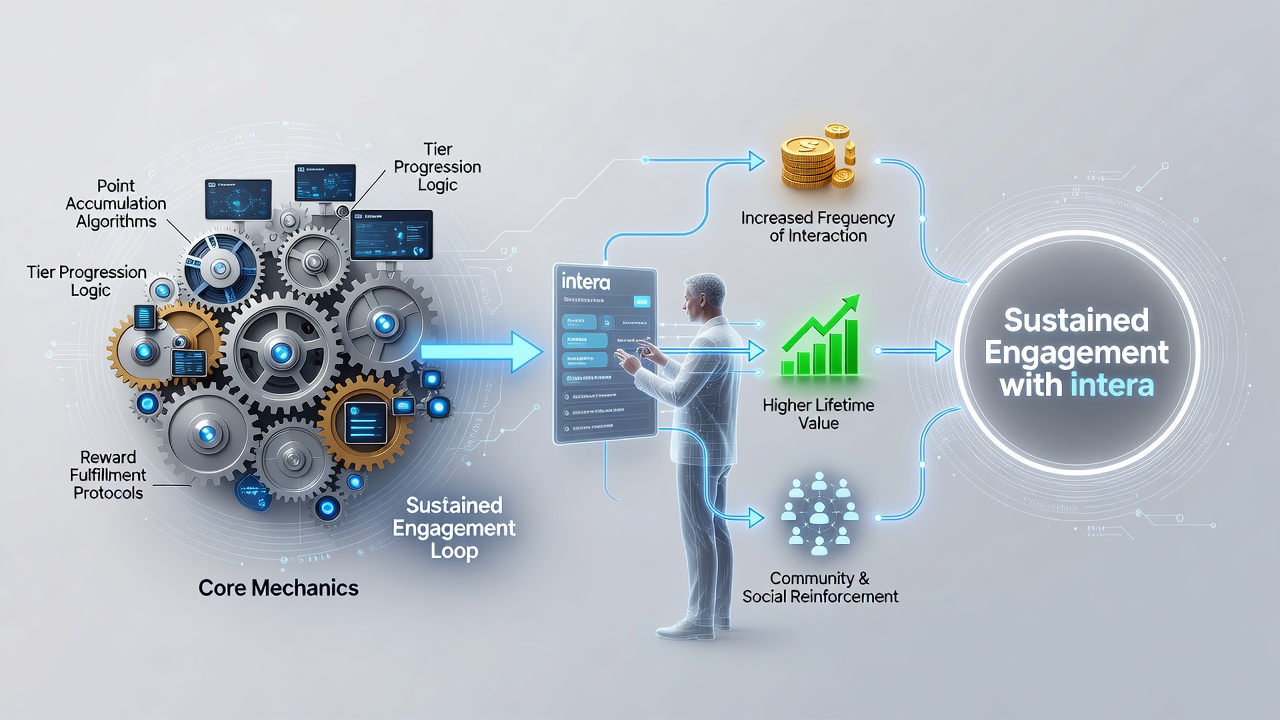
Platform analytics compiled across multiple operators reveal that participants enrolled in active loyalty programmes generate between 25 and 40 percent more sessions per month than non-enrolled cohorts, and average session duration extends by several minutes once tier benefits become visible within the interface. Figures released by the Australian Gambling Research Centre on cross-market digital engagement patterns suggest similar uplift occurs when reward structures emphasise skill-based prediction elements rather than pure chance outcomes. In the British context, seasonal spikes appear during major sporting calendars, where loyalty bonuses tied to football or racing fixtures produce temporary surges that often convert into longer-term habit formation when users achieve new tier thresholds.
Integration with Interactive Prediction Tool Features
Interactive prediction tools incorporate loyalty data directly into their user interfaces, displaying real-time point balances alongside prediction accuracy statistics and upcoming reward thresholds. This integration allows users to visualise how additional activity translates into tangible benefits, and developers have refined notification timing so that prompts arrive after successful predictions rather than at fixed intervals. Reports from Canadian research bodies tracking digital entertainment usage indicate that such contextual prompts correlate with reduced churn rates, because they capitalise on positive reinforcement moments without interrupting flow. British platforms have adopted comparable timing strategies, and internal metrics shared with industry groups show measurable increases in feature utilisation among users who receive tier-progress updates immediately after completing a prediction round.
Regulatory Environment and Platform Adaptations
British operators must align loyalty mechanics with responsible gaming guidelines that limit promotional intensity and require clear disclosure of terms, and these constraints shape how rewards are presented within prediction environments. In September 2026, several platforms updated their tier communication materials to include explicit statements on maximum reward values and expiry conditions, responding to updated transparency expectations from oversight bodies outside the primary UK regulator. Industry associations in other jurisdictions have published parallel guidance that British developers reference when designing cross-border compatible systems, ensuring reward structures remain compliant while still driving engagement.
Conclusion
Loyalty reward systems on British digital platforms function through interconnected point, tier, and redemption mechanisms that demonstrably affect how users sustain engagement with interactive prediction tools. Available usage data and comparative studies from multiple regions confirm that structured progression and timely reward delivery correlate with higher session frequency and longer retention periods, while regulatory adaptations continue to influence presentation methods without eliminating the core engagement effects.